Global Travel Etiquette Made Easy: Greetings, Tipping, Dress
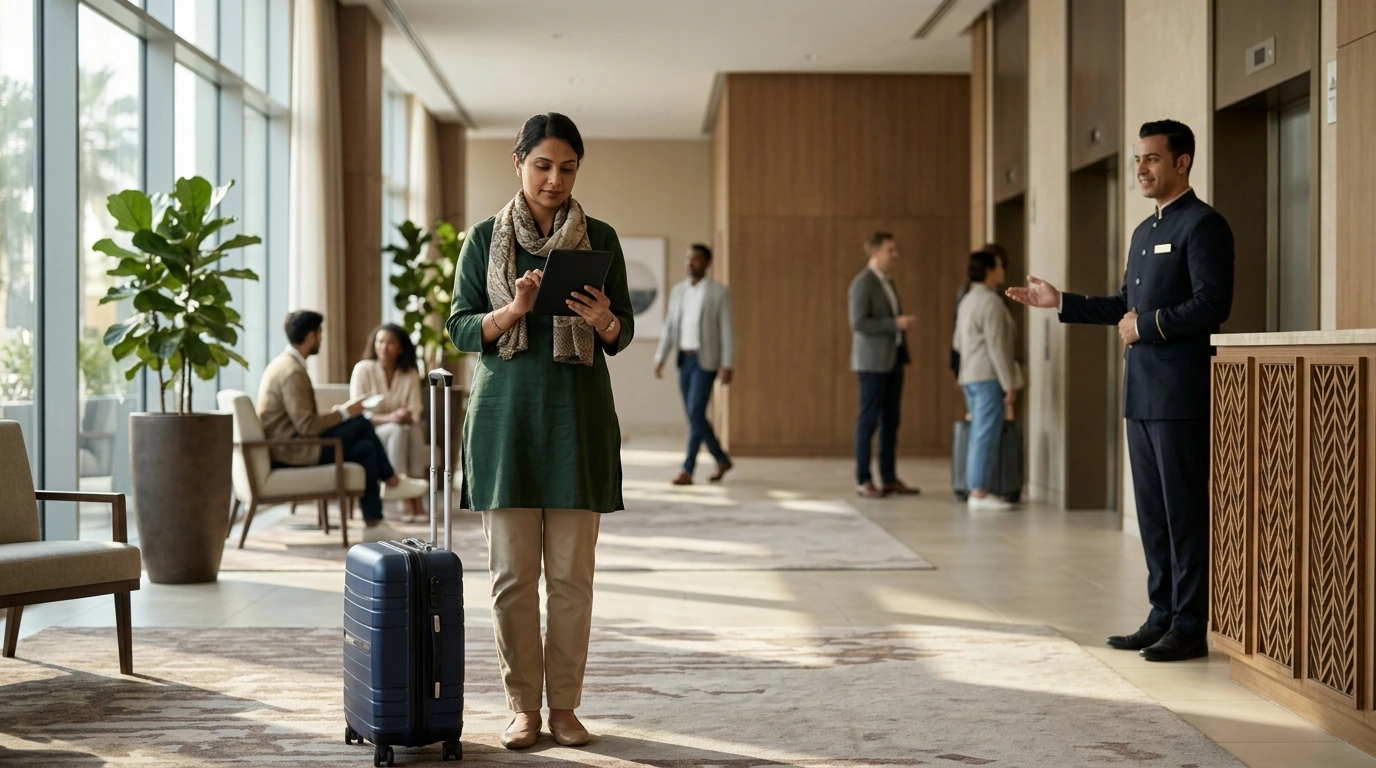
The Smart Traveler’s Guide to Global Etiquette: Practical Manners for Confident International Travel
Smooth travel often comes down to small choices: how to greet, when to tip, what to wear, and how to navigate personal space without offending anyone. This guide lays out the etiquette basics that reduce awkward moments, build goodwill, and help travelers feel prepared across airports, hotels, restaurants, religious sites, and everyday interactions. A downloadable etiquette eBook adds a compact reference that’s easy to revisit while planning and on the go.
Why etiquette matters more than language skills in everyday travel
Learning a few phrases is always helpful, but manners often do the heavy lifting when vocabulary runs out. Polite behavior is a fast shortcut to trust: it signals respect even if your grammar is shaky or you need to rely on translation apps.
Etiquette also prevents the most common travel missteps—coming off rude, getting overfamiliar too quickly, ignoring hierarchy, or mishandling gifts and money. Those moments can create friction that no amount of “sorry” fully fixes.
Done well, respectful behavior can improve outcomes without demanding special treatment. A calm, considerate traveler typically gets smoother check-ins, clearer help from staff, and more patient service when something goes wrong. For destination-specific advisories and cultural considerations, it also helps to review official guidance such as the U.S. Department of State – International Travel.
Core etiquette principles that travel well
Observe first
Before you jump in, take 30 seconds to match the room: speaking volume, pace, physical distance, and how formal people seem. Mirroring the local “baseline” is safer than leading with your own habits.
Default to formal
Use titles and surnames until invited to do otherwise. This simple choice prevents accidental disrespect in places where status, age, or professional roles matter more than casual friendliness.
Keep gestures neutral
Avoid sharp pointing with one finger, big hand signals, or casual touching unless it’s clearly normal locally. When indicating direction, an open hand is usually the least risky option.
Be careful with humor and sarcasm
Jokes don’t always translate—and sarcasm can sound like criticism. If you’re unsure, keep comments warm and straightforward rather than “playfully” teasing.
Use “soft no” and “soft ask”
In many high-context cultures, indirect phrasing preserves dignity. Try “Would it be possible…?” instead of “Do this,” and “I’m not sure I can” instead of “No.”
Greetings, personal space, and body language
Greeting styles vary widely: handshakes, bows, cheek kisses, or verbal-only greetings. When uncertain, start with a polite verbal greeting, a small smile, and wait for the other person to initiate physical contact.
Personal space also differs. In some places, close proximity is normal on sidewalks and trains; in others, it feels intrusive. When in doubt, give a bit more space and adjust if locals consistently stand closer.
Eye contact norms shift too. Steady eye contact can signal confidence in some cultures and disrespect in others—especially with elders or authority. If you notice people glancing away quickly, soften your gaze.
Finally, be mindful of body symbolism. In many regions, feet, hands, and the head carry extra meaning. Avoid putting your feet on seats, touching someone’s head, or using the “wrong” hand to give items in places where that matters.
Quick etiquette checkpoints by situation
| Situation | Safer default | Common mistake to avoid |
|---|---|---|
| First meeting | Use a formal greeting and wait for cues on handshake/hug | Overly casual introductions or first-name familiarity |
| Taking photos | Ask before photographing people or sacred spaces | Assuming public equals permission |
| Public transport | Keep voice low and follow priority seating rules | Eating loudly or blocking entrances |
| Queueing | Look for local queue behavior; when unsure, politely ask | Cutting in when the queue is informal but real |
| Gestures | Use open-hand gestures and minimal pointing | Using gestures with offensive meanings locally |
Dining etiquette: seating, sharing, and paying
Tipping is highly local. Some countries include service charges, while others discourage tips. If you want a reliable pre-trip baseline, consult official travel guidance (for example, the UK Foreign, Commonwealth & Development Office – Foreign travel advice) and confirm discreetly with hotel staff upon arrival.
Dress codes and behavior in religious and cultural sites
Shopping, bargaining, and gifts without awkwardness
Business etiquette while traveling
Titles and seniority may guide who speaks first, where people sit, and how disagreement is expressed. If direct “no” feels tense in a meeting, soften it and save detailed disagreement for a private moment. For health-related travel preparation that can affect professional schedules, reviewing CDC – Travelers’ Health is a practical step.
Handling mistakes: apologizing and recovering gracefully
A compact reference for planning and on-the-go reminders
If you want a ready-to-use companion, The Smart Traveler’s Guide to Global Etiquette (Digital Download eBook) is designed as a practical reference for greetings, dining, dress, tipping, and everyday interactions.
For trip preparation and follow-through (especially when coordinating flights, reservations, and meeting times), a planning-friendly workbook can help keep tasks from piling up: Finally Focused: The Anti-Procrastination Workbook – Productivity Ebook & Focus-Building Guide with Time Management Tools.
FAQ
What’s the safest greeting when traveling internationally?
A polite verbal greeting with a small smile is the safest start. Wait for the other person to initiate a handshake, bow, or other contact, and use titles/surnames when you can.
How can tipping be handled without offending anyone?
Check local norms before you go, then watch what locals do once you arrive. When it’s unclear, ask hotel staff discreetly and remember that some countries include service charges or may decline tips.
What should be done after accidentally breaking a local custom?
Offer a brief, sincere apology and correct the behavior right away. If someone explains the rule, thank them, and avoid long excuses or defensive explanations.












Leave a comment