4 Dog Temperament Types: Sociable, Reserved, Reactive, Independent
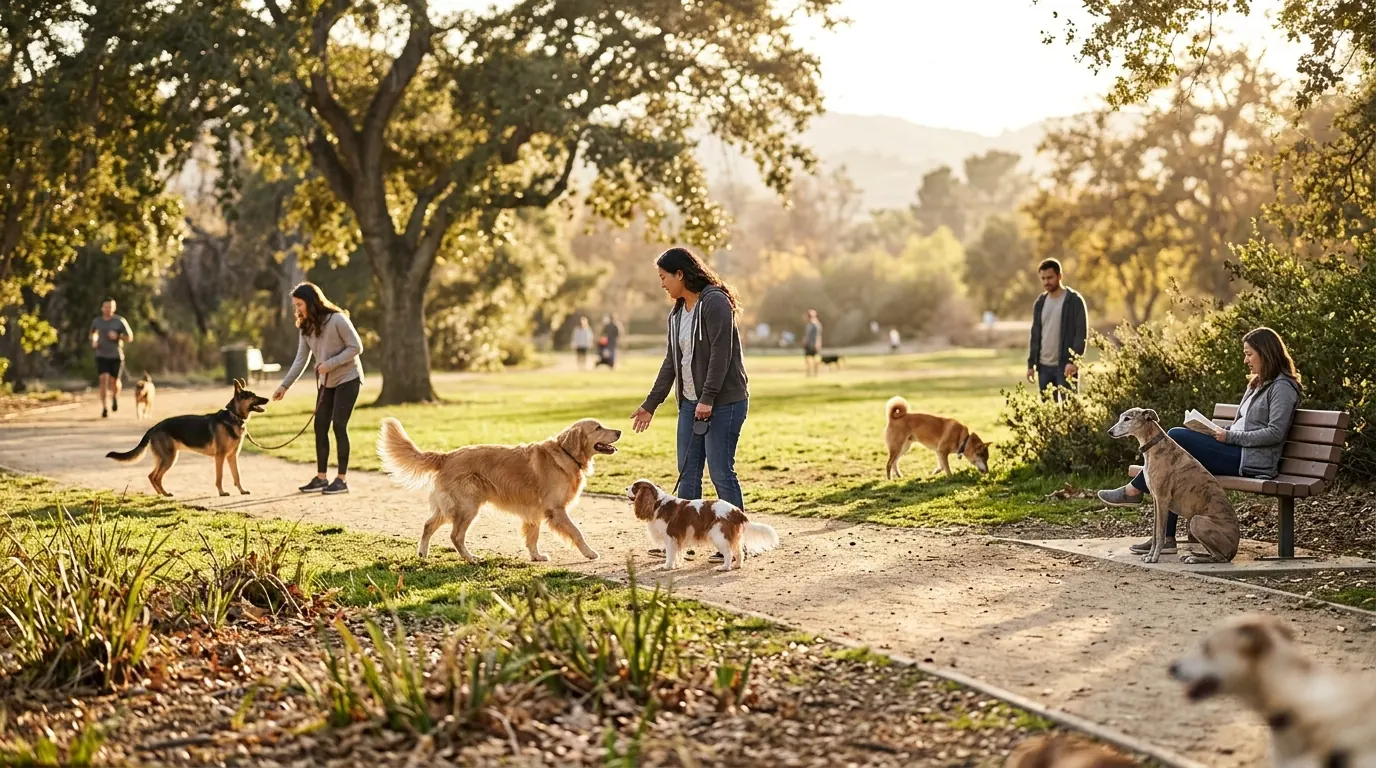
What are the four main types of dog temperaments?
While every dog is an individual, many trainers and behaviorists group canine personalities into four broad temperament “types” to make day-to-day handling easier: sociable, reserved, reactive, and independent. These categories aren’t strict labels or guarantees of behavior, but they can help set realistic expectations for training, introductions, and home routines.
1) Sociable (friendly and people-oriented)
Sociable dogs usually seek out attention, recover quickly from mild surprises, and enjoy meeting new people and dogs. They tend to do well in busy households and often respond well to positive reinforcement because they’re motivated by interaction, praise, and play. Early manners training is still important, since enthusiasm can show up as jumping, mouthing, or pulling on leash.
2) Reserved (shy or cautious)
Reserved dogs prefer to observe before engaging. They may hang back with strangers, need extra time to warm up, or startle more easily in new environments. These dogs thrive with predictable routines, gentle introductions, and confidence-building practice (short exposures, high-value rewards, and plenty of choice to step away).
3) Reactive (quick to respond; easily aroused)
Reactive dogs have big, fast emotions—excitement, frustration, or fear can escalate quickly. You might see intense barking at the door, leash reactivity around other dogs, or difficulty settling after stimulation. Management (distance, barriers, structured walks) paired with calm, reward-based training helps teach alternate behaviors and improves self-control over time.
4) Independent (self-directed and less clingy)
Independent dogs aren’t necessarily unfriendly; they’re simply comfortable doing their own thing. They may be less motivated by praise and more motivated by sniffing, exploring, or problem-solving. Training works best when it’s practical, consistent, and rewarding in a way that matters to the dog (food, toys, access to the outdoors, or a favorite activity).
For a deeper breakdown of these temperament patterns and how they show up at home, visit the main article on the four main types of dog temperaments.
FAQ
How can I tell what temperament my dog has?
Look for consistent patterns across different settings: how your dog greets people, handles surprises, reacts on leash, and settles at home. If you’re unsure or seeing concerning behaviors, a qualified trainer or veterinary behaviorist can help you assess safely.










Leave a comment