Toddler Nightmares: Causes, Start Age, and Relief Tips
What causes nightmares in toddlers and when do they typically start?
Nightmares in toddlers are vivid, upsetting dreams that usually happen in the second half of the night (during REM sleep). They can start as early as age 2, but they become more common between ages 3 and 6 as imagination, language, and memory develop—meaning little ones can picture scary ideas and remember them well enough to feel afraid after waking.
Common causes of toddler nightmares
Many nightmares are triggered by everyday brain development plus stressful or stimulating experiences. Big changes—like starting daycare, moving homes, potty training, or a new sibling—can show up in dreams. Over-tiredness can also make nightmares more likely, since an irregular schedule may disrupt sleep cycles.
What toddlers see and hear matters, too. A “not that scary” TV show, a loud news clip, or a book with a villain can be replayed in dream form. Illness, fever, and certain medications may intensify dreams as well. Some kids are simply more sensitive or anxious by temperament, which can increase nighttime fears.
When they typically begin (and how it differs from night terrors)
Toddlers may have occasional nightmares around age 2, but many parents notice them more clearly around 3–4 years old. Unlike night terrors—which often occur in the first few hours of sleep and may involve yelling while the child seems not fully awake—nightmares usually wake a child who can be comforted and may describe what scared them.
What helps most in the moment
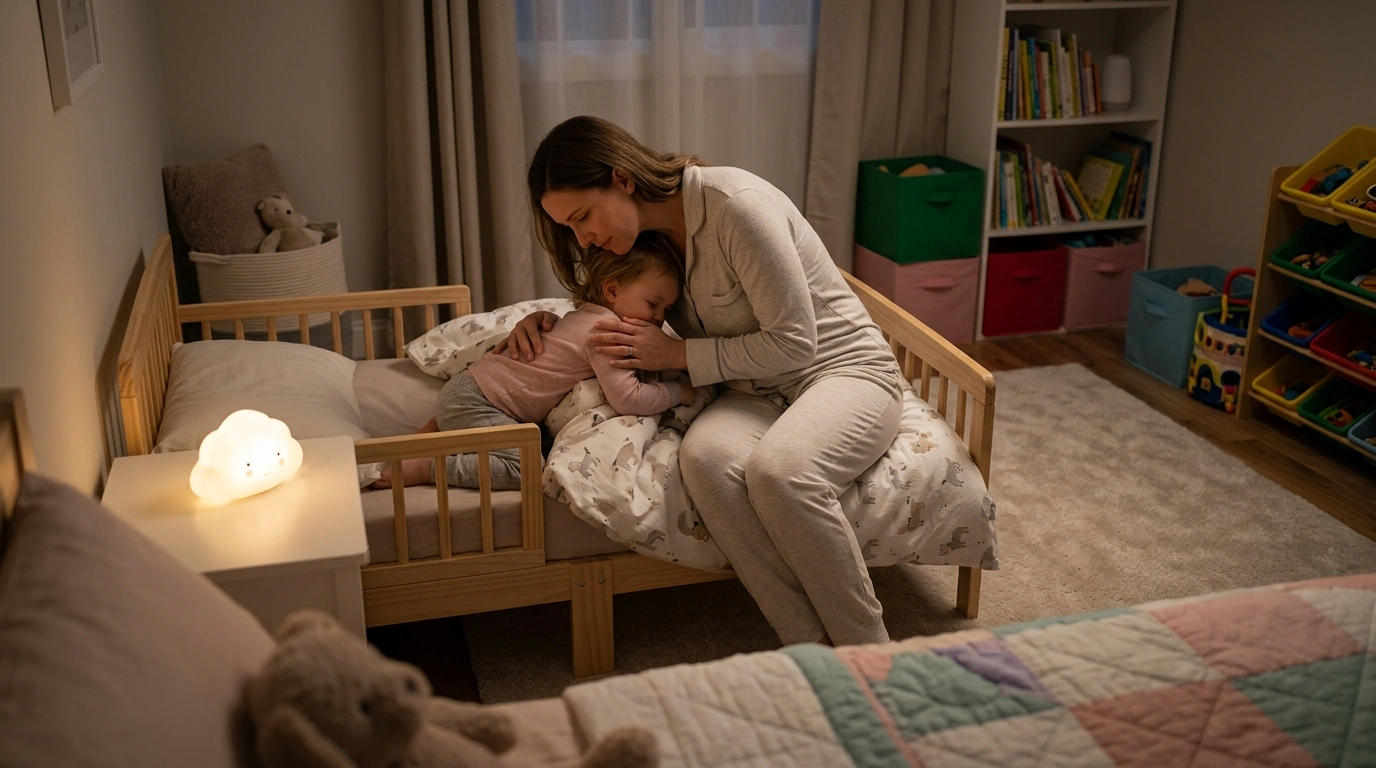
If your toddler wakes frightened, keep lights low, offer a calm voice, and provide simple reassurance (“You’re safe. It was a dream.”). A brief cuddle, a sip of water, or a comfort item can help them settle back to sleep without turning wake-ups into long playtime.
For a deeper breakdown of triggers, timing, and practical ways to reduce bad dreams, visit the full guide on toddler nightmares.
FAQ
How can I reduce my toddler’s nightmares?
Keep a consistent bedtime routine, avoid scary or overstimulating screens close to bed, and aim for enough sleep so your child isn’t overtired. If nightmares follow a specific fear, gently address it during daytime with simple reassurance and predictable comfort at night.












Leave a comment