Decode Your Cat’s Personality: Clues in Play & Stress
How can I understand my cat’s personality better?
Cats show who they are through patterns—what they choose, avoid, repeat, and how quickly they recover after being startled. To understand your cat’s personality, focus on consistent behavior over time rather than single “good” or “bad” moments.
Watch their social style (not just friendliness)
Some cats are “close-by” companions who like sharing a room, while others are true lap-seekers. Notice how your cat chooses to be near you: do they follow, perch above you, sit at your feet, or check in briefly and leave? Each is a different type of social comfort, not a lack of affection.
Learn their play profile
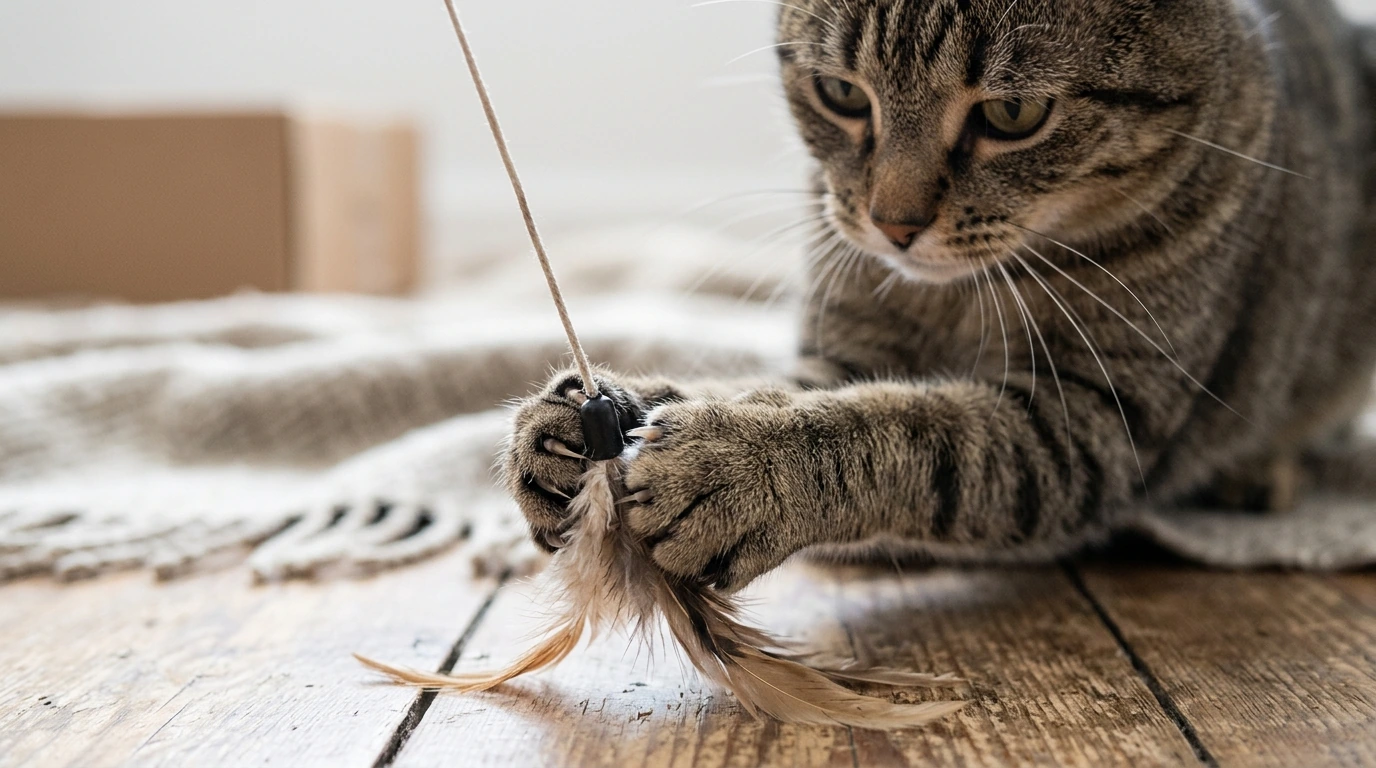
Play reveals confidence and preferences. Stalk-and-pounce cats often like wand toys and quick bursts. “Thinker” cats may prefer puzzle feeders, hidden treats, or slow, predictable movements. If your cat gets overstimulated (tail twitching, sudden bites, running off), keep sessions shorter and end before they tip over into frustration.
Track stress signals and recovery time
Personality shines when something changes. A bold cat may investigate new items immediately; a cautious cat might observe from a distance first. Watch body language: ears angled sideways, crouching, dilated pupils, and a tucked tail can signal discomfort. Just as important is recovery—how long it takes them to return to normal after a vacuum, visitors, or a new smell.
Respect boundaries to see their “best self”
Many behavior issues are mismatched handling. Note petting preferences (head vs. back vs. no touch), tolerance for being picked up, and whether your cat prefers choice-based affection. When you let your cat initiate contact and provide predictable routines, their true temperament becomes clearer.
For more detail on reading cues and building trust, visit the full guide here: How can I understand my cat’s personality better?
FAQ
What are common signs my cat is stressed or anxious?
Common signs include hiding more than usual, reduced appetite, sudden aggression, over-grooming, and avoiding the litter box. Subtle clues like flattened ears, a tucked tail, or freezing in place can also indicate stress.











Leave a comment