Daily Mental Health Journal Prompts: Quick Check-Ins
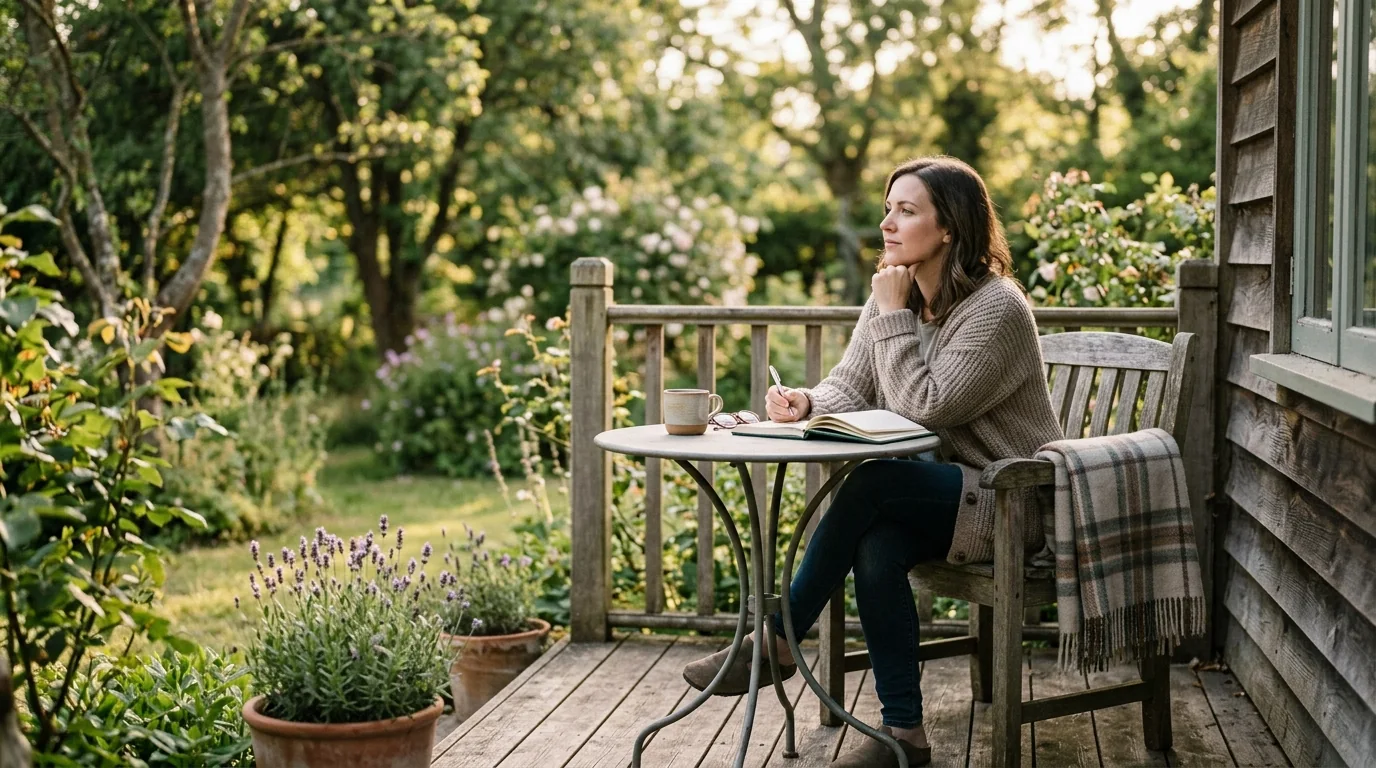
What are some good daily journal prompts for reflecting on my mental health?
A simple daily check-in (2–3 minutes)
Start with quick, low-pressure questions that help you notice patterns without overthinking: What am I feeling right now (use 1–3 words)? What’s my energy level from 1–10? What’s one thing that’s weighing on me today?
Emotions and triggers
To understand what’s driving mood shifts, try: What happened today that changed my mood, even slightly? When did I feel most tense, and what was going on? What did I need in that moment that I didn’t ask for?
Body-based reflection
Mental health shows up in the body, so include: Where am I holding stress (jaw, shoulders, stomach)? What physical sensations came with my strongest emotion today? What helped my body feel even 5% calmer?
Thought patterns (without spiraling)
Use prompts that separate facts from fears: What story did my mind tell me today? What evidence supports it, and what evidence doesn’t? If a friend had this thought, what would I say to them?
Boundaries and self-respect
Try prompts that build clarity and confidence: Where did I say “yes” when I meant “no”? What boundary would protect my peace tomorrow? What’s one small decision I can make that honors my needs?
Support, coping, and next steps
Close with action-oriented reflection: What coping skill did I use today, and did it help? Who or what supported me (even a little)? What’s one gentle, doable thing I can do tomorrow to care for my mind?
For more ideas and a deeper list you can rotate throughout the week, visit the full guide here.
For Daily Mental Health Journal Prompts: Quick Check-Ins, the best answer depends on fit, material, care instructions, and how the product will be used day to day.
FAQ
How do I stay consistent with journaling when I’m stressed?
Lower the bar: write for 60 seconds, use bullet points, or answer just one question. Pair journaling with an existing habit (morning coffee or bedtime routine) so it feels automatic rather than demanding.










Leave a comment